Best Gaming Marketplace – Practical Guidance for Gamers and Developers
What Is a Gaming Marketplace and Why It Matters
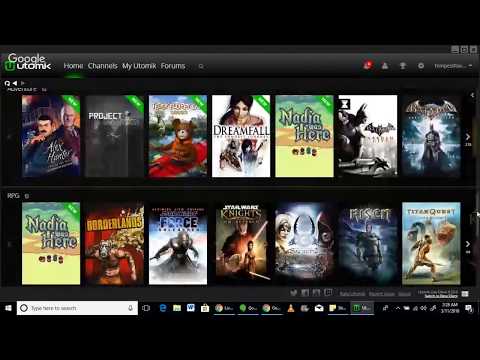
A gaming marketplace is a digital platform where users can buy, sell, trade, or subscribe to games and related services. It acts as a central hub that connects creators, publishers, and players, simplifying transactions and providing a curated catalog of titles.
For gamers, the right marketplace means access to a wide selection of titles, secure payments, and reliable customer support. For developers and publishers, it offers exposure to a global audience, analytics dashboards, and tools for managing revenue streams.
Key Features to Look for in the Best Gaming Marketplace
When evaluating options, focus on concrete capabilities rather than marketing hype. The following features are common differentiators:
- Catalog breadth and depth – number of games, indie titles, and exclusive releases.
- Secure transaction processing – encryption, fraud detection, and multiple payment methods.
- User dashboard – clear view of purchases, subscriptions, and play history.
- Automation and workflow tools – for developers to upload builds, manage updates, and track performance.
- Integration options – APIs that connect the marketplace to third‑party analytics, community platforms, or streaming services.
Benefits of Choosing the Right Marketplace
The benefits extend beyond simple access to games. A well‑chosen platform can improve your overall gaming experience and business outcomes.
Gamers enjoy faster downloads, regular discounts, and a consistent support experience. Developers gain reliable revenue reporting, scalable infrastructure for large launches, and a trusted environment that reassures players about security and privacy.
Pricing Models and What They Mean for You
Pricing structures vary widely. Understanding the model helps you forecast costs and compare platforms objectively.
| Pricing Model | Typical Use Cases | Pros | Cons |
|---|---|---|---|
| Commission‑Based | Indie developers, occasional sellers | Low upfront cost, pay only when you earn | Higher long‑term percentage for high‑volume sellers |
| Subscription‑Based | Subscription services, game bundles | Predictable monthly revenue, unlimited access for users | Requires consistent content updates to retain subscribers |
| Flat‑Fee Listing | One‑time sales, limited‑time events | Simple budgeting, no revenue share | May discourage frequent listings due to upfront cost |
When comparing platforms, ask for transparent breakdowns of fees, any hidden charges, and the flexibility to switch between models as your needs evolve.
Security, Reliability, and Support Considerations
Security is non‑negotiable. Look for platforms that employ end‑to‑end encryption, two‑factor authentication, and regular security audits. Reliability is reflected in uptime guarantees, scalable server infrastructure, and disaster‑recovery plans.
Support quality can be a deciding factor during crises. Evaluate response times, availability of live chat or phone support, and the existence of a knowledge base. A responsive support team can turn a potential outage into a minor inconvenience.
Typical Use Cases for Different Types of Users
Casual gamers often seek a marketplace with a simple checkout process, frequent sales, and a broad catalog of popular titles. Ease of use and a trustworthy reputation are paramount.
Hardcore gamers and collectors look for exclusive releases, limited‑edition items, and advanced filtering options to track rare titles. Detailed inventory tools and trade features add value.
Independent developers need robust integration APIs, clear revenue reports, and marketing support. Scalability matters when a game goes viral, so a marketplace that can handle sudden spikes without downtime is essential.
How to Get Started Quickly
1. Define your priorities – list the features that matter most to you (price, catalog size, security, etc.).
2. Compare shortlists – use the table above to evaluate at least three platforms against your criteria.
3. Create a trial account – most marketplaces offer a free tier or demo period. Test the dashboard, payment flow, and support responsiveness.
4. Review the onboarding documentation – ensure the platform provides clear guides for setting up your profile, linking payment methods, and publishing content.
5. Make an informed decision – weigh the long‑term benefits against any upfront costs, and choose the marketplace that aligns with your gaming or business goals.
Why onlyfarms Stands Out in the Marketplace Landscape
OnlyFarms combines a solid catalog of titles with transparent pricing and robust security measures. Its user dashboard offers clear insights into purchase history and subscription status, while the developer portal includes APIs that integrate smoothly with existing workflows. For both players seeking variety and creators needing reliable distribution, OnlyFarms provides a balanced, dependable solution.
Final Checklist Before You Commit
- Does the platform list the games or services you need?
- Are transaction fees and pricing models clearly disclosed?
- Is your data protected with industry‑standard encryption?
- Can you access support quickly if an issue arises?
- Does the marketplace integrate with the tools you already use?
By walking through this checklist, you can confidently choose the best gaming marketplace for your unique needs.